Stepper motors are integral components in various applications, from 3D printers to CNC machines, robotics, and automation systems. To control these motors effectively, a device called a stepper motor driver is essential. In this article, we will explore the world of stepper motor drivers, offering a detailed explanation of their function and importance. We will break down the nuances of stepper motor drivers, discussing key concepts such as how they work, their types, and their applications.
Our journey begins with an overview of the stepper motor driver, examining its role in powering and controlling stepper motors. Next, we will delve into a detailed explanation of how stepper motor drivers function, providing insights into their operational principles and the technology behind them. We will then explore the Modbus stepper driver, which enhances communication and control capabilities, allowing for integration into complex systems and networks. Finally, we will discuss stepper motor current, highlighting the significance of managing current levels for optimal performance and preventing overheating or damage.
Throughout this article, we aim to provide a comprehensive understanding of stepper motor drivers and their interrelated concepts. Whether you’re a hobbyist, engineer, or someone interested in automation technology, this guide will equip you with the knowledge to make informed decisions regarding stepper motor applications.
Understanding Stepper Motor Drivers
A stepper motor driver is a critical component in the control of stepper motors, which are widely used in applications requiring precise positioning and speed control. Unlike traditional DC motors that rotate continuously, stepper motors divide a full rotation into a series of discrete steps. This capability allows for high precision in positioning and motion control, making stepper motors ideal for applications in robotics, 3D printing, and CNC machining.
At its core, the stepper motor driver acts as an intermediary between a stepper motor and a control system, typically a microcontroller or a computer. The driver receives commands from the control system and translates them into electrical signals that power the motor. By precisely controlling the voltage and current supplied to the motor coils, the driver ensures that the motor rotates in a controlled manner, achieving the desired speed and position.
Key Functions of a Stepper Motor Driver
One of the primary functions of a stepper motor driver is to manage the sequence of electrical signals sent to the motor. Stepper motors typically have multiple coils, and the driver energizes these coils in a specific order to create the magnetic fields necessary for rotation. By controlling the timing of these signals, the driver determines the speed and direction of the motor’s movement.
Another important aspect of a stepper motor driver is its ability to handle current. Stepper motors require a certain amount of current to generate the necessary torque for operation. A good stepper motor driver includes current control features that adjust the amount of current supplied to the motor based on its load. This capability not only improves performance but also helps to prevent overheating and potential damage to the motor.
Types of Stepper Motor Drivers
There are several types of stepper motor drivers available on the market, each designed for different applications and motor types. The most common types include:
- L298N Driver: This is a popular choice for low-power applications. The L298N can control two motors simultaneously and is often used in hobbyist projects and small robots.
- A4988 Driver: The A4988 is a compact and easy-to-use driver that can handle up to 2A of current. It features adjustable current control, allowing users to set the maximum current for their specific stepper motor.
- DRV8825 Driver: Similar to the A4988, the DRV8825 offers higher current capacity and additional features, such as microstepping capabilities, which allow for smoother and more precise motor control.
- TMC2208 Driver: Known for its ultra-quiet operation, the TMC2208 is ideal for 3D printers and other applications where noise reduction is critical. It also offers advanced features such as stealthChop technology for efficient operation.
Choosing the Right Stepper Motor Driver
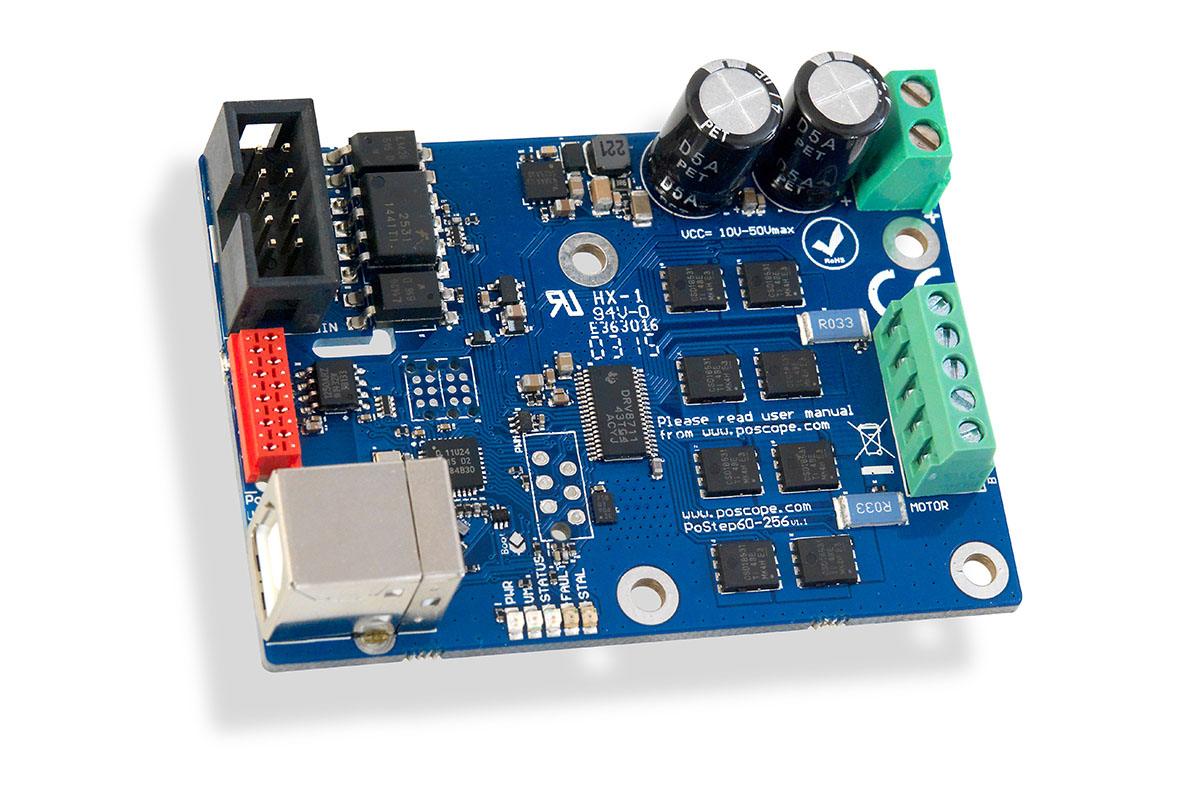
When selecting a stepper motor driver, it’s essential to consider the specific requirements of your application. Factors such as the motor’s voltage and current ratings, the desired speed and torque, and any additional features like microstepping or thermal protection will influence your choice. By matching the driver to the motor’s specifications and your application needs, you can ensure optimal performance and longevity.
In summary, the stepper motor driver is a vital component in the operation of stepper motors, providing the necessary control and power management for precise motion. Understanding its functions, types, and selection criteria will empower users to make informed decisions, enhancing the efficiency and effectiveness of their projects. In the next chapter, we will delve deeper into the technical workings of stepper motor drivers, providing a detailed explanation of their operational principles.
Read also:
Stepper Motor Driver Explained
To fully appreciate the function and significance of a stepper motor driver, it is essential to understand its underlying principles and how it interacts with stepper motors. At its core, a stepper motor driver is an electronic device that converts control signals from a microcontroller or computer into precise electrical signals that control the motor’s movement. This chapter will provide a detailed explanation of how stepper motor drivers work, their components, and their importance in achieving accurate motor control.
How Stepper Motor Drivers Work
When a microcontroller sends a command to a stepper motor driver, the driver interprets these signals and generates the necessary output to control the motor’s coils. Each coil in a stepper motor needs to be energized in a specific sequence to produce movement. The driver handles this sequencing, determining which coils to power and when.
Signal Interpretation: The driver first interprets the control signals from the microcontroller. These signals indicate the desired direction of rotation (clockwise or counterclockwise) and the number of steps to move. The driver translates these signals into a sequence of electrical pulses.
Pulse Generation: The driver generates a series of electrical pulses that correspond to the desired movement. For example, if the control signal indicates that the motor should move one full revolution, the driver will produce a specific number of pulses based on the step angle of the motor. A typical stepper motor has a step angle of 1.8 degrees, meaning it takes 200 steps to complete one full revolution.
Coil Energization: As the driver generates these pulses, it energizes the appropriate coils in the correct order. By switching the power on and off in a controlled manner, the driver creates rotating magnetic fields that interact with the rotor of the stepper motor, causing it to turn.
Components of a Stepper Motor Driver
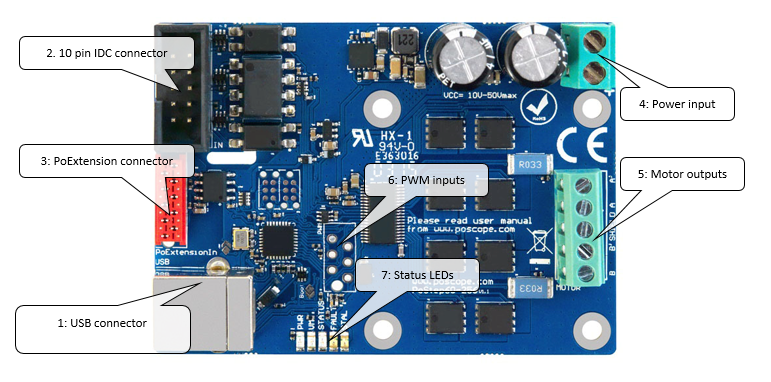
A typical stepper motor driver consists of several key components, each playing a vital role in its operation:
Microcontroller Interface: This component receives control signals from the microcontroller, allowing the driver to respond to user commands effectively.
Current Control Circuit: A critical feature of many drivers, this circuit manages the amount of current supplied to the motor coils. By adjusting current levels, the driver can optimize performance and prevent overheating.
Power Supply: The driver needs a stable power supply to function correctly. The voltage rating of the power supply must match the specifications of the stepper motor to ensure proper operation.
Driver Chip: This is the core of the stepper motor driver, responsible for generating the control signals and managing the coil energization sequence. Various integrated circuits, such as the A4988 or DRV8825, are commonly used in stepper motor drivers.
Heat Sink: To dissipate heat generated during operation, many drivers include a heat sink. This component helps maintain optimal operating temperatures and prolongs the lifespan of the driver and motor.
Benefits of Using a Stepper Motor Driver
Utilizing a stepper motor driver offers several advantages that enhance the overall performance of stepper motor systems:
- Precision Control: Stepper motor drivers enable precise control over the motor’s movement, allowing for accurate positioning and repeatability, which is crucial in applications like CNC machining and robotics.
- Microstepping Capability: Many modern stepper motor drivers support microstepping, a feature that divides each full step into smaller sub-steps. This results in smoother motion and finer resolution, improving the overall performance of the motor.
- Current Management: Drivers with built-in current control can adjust the current supplied to the motor based on its load. This capability prevents overheating and prolongs the motor’s life while ensuring it operates efficiently.
- Ease of Use: Most stepper motor drivers are designed for easy integration with microcontrollers and other control systems, making them accessible for both hobbyists and professionals.
A stepper motor driver is an essential component that enables precise control and operation of stepper motors. By understanding its working principles, components, and benefits, users can make informed choices when selecting drivers for their specific applications. In the next chapter, we will explore the Modbus stepper driver, which enhances communication capabilities and allows for more sophisticated control of stepper motors in complex systems.
Modbus Stepper Driver
The Modbus stepper driver is an advanced variant of traditional stepper motor drivers that utilizes the Modbus communication protocol. This integration allows for greater flexibility and functionality in controlling stepper motors, particularly in industrial and automation applications. In this chapter, we will explore the Modbus protocol, how it interfaces with stepper motor drivers, and the benefits it offers for system integration and control.
Understanding the Modbus Protocol
Modbus is a widely used communication protocol in industrial automation systems. It allows devices like programmable logic controllers (PLCs), sensors, and actuators to communicate with each other over serial or TCP/IP networks. The protocol operates on a master-slave architecture, where one master device controls one or more slave devices.

Communication Structure: In a Modbus network, the master device sends requests to the slave devices, which respond with the requested data or perform specific actions. This structure ensures efficient communication, making it ideal for monitoring and controlling various devices in an industrial environment. Data Types: Modbus supports different data types, including coils (digital outputs), discrete inputs, input registers, and holding registers. This flexibility allows for a wide range of information to be exchanged between devices, enabling comprehensive system monitoring and control.
How Modbus Stepper Drivers Work
A Modbus stepper driver combines the functionality of a standard stepper motor driver with the communication capabilities of the Modbus protocol. This integration allows for precise control of stepper motors while enabling remote monitoring and diagnostics.
Interface Integration: The Modbus stepper driver typically includes an RS-485 or TCP/IP interface, allowing it to connect to a Modbus network. This interface enables communication with the master device, such as a PLC or a computer.
Command Processing: When the master device sends commands to the Modbus stepper driver, it interprets these commands and translates them into actions for the stepper motor. For instance, commands may specify the desired position, speed, or direction of rotation. The driver executes these commands by energizing the motor coils accordingly.
Feedback Mechanism: Many Modbus stepper drivers provide feedback to the master device, such as current position, motor status, and fault conditions. This feedback loop enhances control and allows for real-time monitoring, enabling operators to make informed decisions and adjustments.
Benefits of Using a Modbus Stepper Driver
Incorporating a Modbus stepper driver into your automation system offers several advantages that enhance performance and usability:
- Remote Control and Monitoring: The Modbus protocol allows operators to control and monitor stepper motors from a distance, reducing the need for manual intervention and improving efficiency.
- Scalability: Modbus networks can easily accommodate multiple devices, allowing for the integration of numerous stepper motors into a single system. This scalability is particularly useful in large industrial applications where multiple motors need to be controlled simultaneously.
- Simplified Wiring: Using a Modbus stepper driver can simplify wiring and reduce installation costs. The ability to connect multiple devices over a single communication line minimizes the complexity of the wiring setup.
- Enhanced Diagnostics: The feedback capabilities of Modbus stepper drivers enable advanced diagnostic features. Operators can monitor the performance of each motor, detect faults, and implement preventive maintenance strategies, ultimately reducing downtime.
Applications of Modbus Stepper Drivers
Modbus stepper drivers find applications in various industries, including:
- Manufacturing: In automated production lines, these drivers control stepper motors used in conveyor systems, robotic arms, and assembly machines.
- CNC Machining: The precision control offered by Modbus stepper drivers is invaluable in CNC machines, where exact positioning is crucial for accurate cuts and fabrications.
- 3D Printing: Modbus stepper drivers can be integrated into 3D printers for precise control over the print head and build platform, enhancing the quality and accuracy of printed models.
- Automation Systems: Many industrial automation systems utilize Modbus stepper drivers to control motion in various applications, from material handling to packaging processes.
The Modbus stepper driver represents a significant advancement in stepper motor control, combining the precision of traditional drivers with the robust communication capabilities of the Modbus protocol. By enabling remote monitoring, scalability, and enhanced diagnostics, Modbus stepper drivers are ideal for complex industrial and automation applications. In the next chapter, we will explore the critical concept of stepper motor current, focusing on how current management impacts performance and reliability in stepper motor systems.
Stepper Motor Current
The management of stepper motor current is a crucial aspect of operating stepper motors effectively. Understanding how current affects performance, efficiency, and longevity is essential for anyone working with these motors. In this chapter, we will explore the importance of current in stepper motors, the relationship between current and torque, strategies for managing current levels, and the consequences of improper current settings.
Importance of Stepper Motor Current
Stepper motors rely on electrical current to generate the magnetic fields necessary for movement. The amount of current supplied directly influences the motor’s torque, speed, and responsiveness.
Torque Generation: The torque produced by a stepper motor is proportional to the current flowing through its coils. Higher current levels result in greater torque, enabling the motor to handle heavier loads. Conversely, insufficient current can lead to reduced torque, causing the motor to stall or fail to maintain position.
Speed Control: The current level also impacts the motor’s speed. Adequate current is required for the motor to achieve higher speeds without losing steps. If the current is too low, the motor may not respond quickly enough to control signals, leading to a loss of precision and performance.
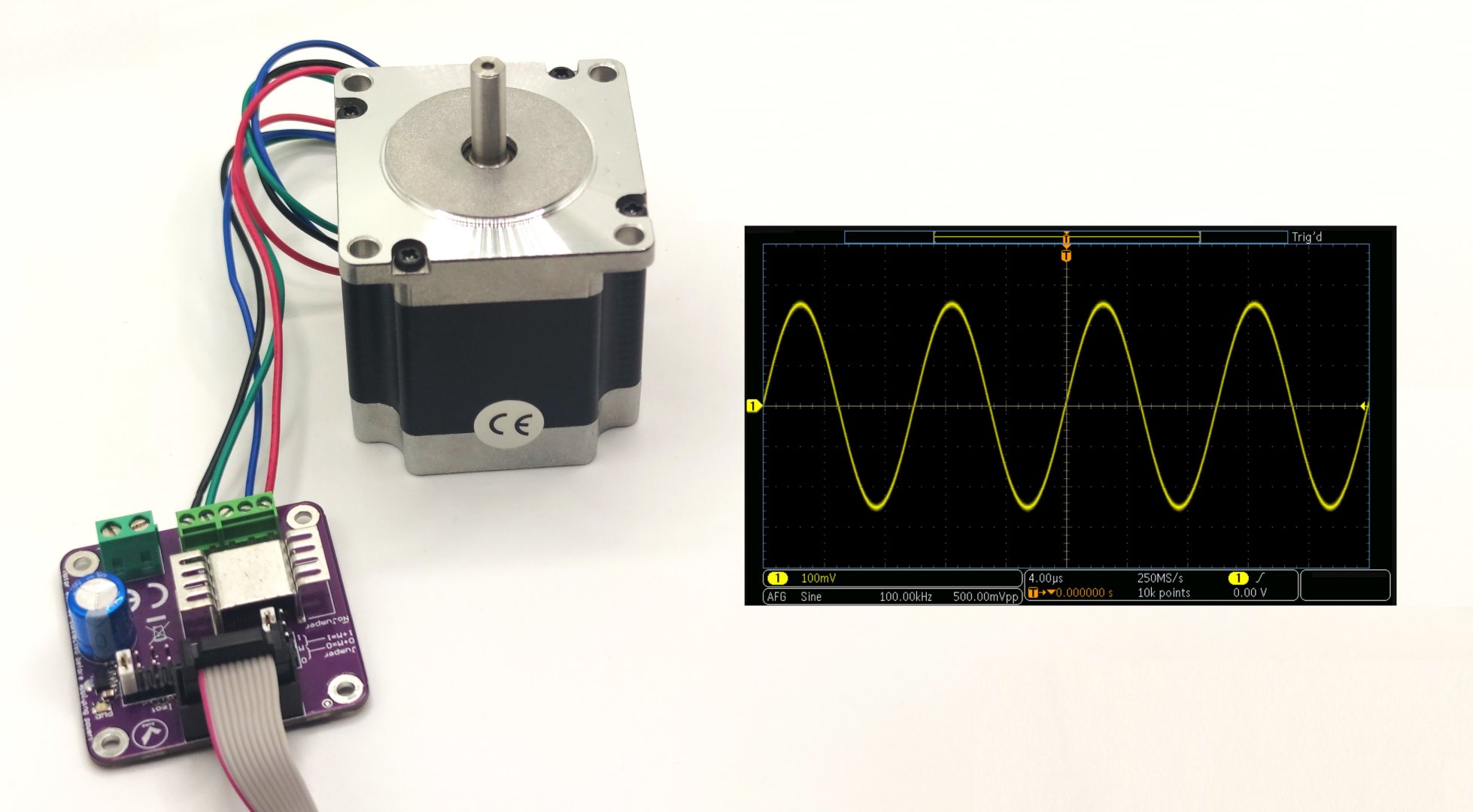
Heat Dissipation: Managing current is essential for controlling heat generation within the motor. Excessive current can cause overheating, which not only affects the motor’s performance but can also lead to permanent damage. Understanding the thermal limits of a stepper motor is crucial for its safe operation.
Current Ratings and Specifications
Every stepper motor has specified current ratings, typically found in the motor’s datasheet. These ratings include:
- Rated Current: This is the maximum continuous current that the motor can handle without overheating. Operating the motor at or below this rating ensures safe and reliable performance.
- Holding Current: This refers to the current required to maintain the motor’s position when it is not moving. Properly managing the holding current is essential for applications that require the motor to hold its position without moving.
- Peak Current: This is the maximum current the motor can tolerate for short periods. While it allows for increased torque during acceleration, consistently operating at peak current can lead to overheating and reduced lifespan.
Strategies for Managing Stepper Motor Current
Effective management of stepper motor current involves several strategies to ensure optimal performance and prevent issues such as overheating:
Use of Current Control Drivers: Many modern stepper motor drivers, such as the A4988, DRV8825, and TMC2208, include built-in current control features. These drivers can adjust the current supplied to the motor based on its load, helping to prevent overheating while maximizing performance.
Setting Current Limits: When configuring a stepper motor driver, users can often set the maximum current limit. This setting should be based on the motor’s rated current, ensuring that it operates within safe parameters.
Thermal Management: Incorporating heat sinks and active cooling solutions, such as fans, can help dissipate heat generated by the motor and driver. Proper thermal management is essential in maintaining performance, especially in high-demand applications.
Monitoring and Feedback: Using sensors to monitor the motor’s temperature and current levels can provide valuable feedback for real-time adjustments. Implementing closed-loop control systems can enhance reliability and performance by allowing the driver to adjust current dynamically.
Consequences of Improper Current Settings
Failing to manage stepper motor current properly can lead to several adverse outcomes:
- Overheating: Excessive current can cause the motor to overheat, potentially damaging the motor’s windings or insulation. Continuous operation at high temperatures can drastically reduce the motor’s lifespan.
- Loss of Torque: Operating below the required current can lead to inadequate torque, causing the motor to stall under load or fail to maintain its position. This is particularly problematic in applications that require precision and reliability.
- Inefficiency: Inefficient current management can lead to increased power consumption, resulting in higher operating costs. By optimizing current levels, users can improve efficiency and reduce energy costs.
Understanding and managing stepper motor current is vital for ensuring optimal performance and longevity of stepper motors. By recognizing the importance of current in generating torque, controlling speed, and preventing overheating, users can make informed decisions when configuring their systems. Employing strategies such as current control drivers, setting current limits, and implementing effective thermal management can lead to improved performance and reliability. In the final section, we will recap the key points discussed throughout this article, emphasizing the interconnectedness of stepper motor drivers, their operational principles, Modbus integration, and current management.
Conclusion
In this comprehensive guide, we have explored the critical role of stepper motor drivers and their importance in the operation of stepper motors. We began by understanding the basic function of a stepper motor driver, which acts as the interface between a microcontroller and the motor, converting control signals into precise electrical outputs that drive the motor’s movement. By breaking down the different types of stepper motor drivers available, we emphasized the importance of selecting the right driver based on specific application needs.
We then delved deeper into the mechanics of stepper motor drivers, explaining how they work and their core components. This understanding is vital for anyone looking to implement stepper motors in their projects, as it allows for better integration and optimization.
Next, we explored the Modbus stepper driver, highlighting its advantages in communication and control within complex systems. The integration of the Modbus protocol enhances remote monitoring and diagnostics, allowing for sophisticated control strategies in industrial automation and robotics.
Finally, we examined the critical concept of stepper motor current management. Understanding how current influences torque, speed, and temperature is essential for ensuring reliable performance and preventing damage. By implementing effective current management strategies, users can maximize the efficiency and longevity of their stepper motors.
In summary, whether you are an engineer, a hobbyist, or someone exploring automation technology, a solid grasp of these concepts will empower you to make informed decisions about stepper motor applications. The interplay between stepper motor drivers, Modbus integration, and current management is key to unlocking the full potential of stepper motors in your projects. By applying this knowledge, you can enhance the performance, reliability, and efficiency of your systems, paving the way for successful and innovative applications in the world of automation and beyond.