In the rapidly advancing world of electronics, precision is paramount. Whether you are designing a new circuit, testing a device, or diagnosing faults, accurate measurement is key to ensuring the integrity and functionality of electronic systems. This is where measurement instruments come into play—tools that allow engineers and technicians to evaluate various parameters of electrical signals. Among the many types of measurement instruments available, oscilloscopes have long been a critical component in electronics testing.
This article will explore the role of measurement instruments in modern electronics, with a particular focus on USB oscilloscopes and the importance of oscilloscope probe compensation. We will begin by understanding the different types of measurement instruments used in electronics, highlighting their functions and significance. Then, we will dive deeper into the specifics of isolated USB oscilloscopes, a technology that has revolutionized portable testing. Following that, we will discuss the essential process of oscilloscope probe compensation, which ensures accurate readings and reliable testing. Lastly, we will provide a comprehensive look at USB oscilloscopes and their impact on the testing landscape. By the end of this article, you will gain a thorough understanding of how these instruments work together to help engineers maintain the high standards of modern electronic systems.
Measurement Instruments – The Backbone of Electronic Testing
Measurement instruments are essential tools that enable engineers and technicians to monitor, analyze, and understand electrical signals and parameters in circuits. These instruments are crucial for developing, testing, and maintaining electronic devices, as they provide the data necessary for diagnosing issues and optimizing performance. From simple handheld devices to complex lab equipment, measurement instruments come in various forms, each designed to measure specific aspects of an electrical system, such as voltage, current, resistance, frequency, and time.
At the core of electronic measurement lies the concept of accuracy. Engineers rely on precise readings to ensure that circuits are functioning as intended and meet the necessary specifications. Measurement instruments such as voltmeters, ammeters, multimeters, and oscilloscopes serve as the primary tools for gathering these data. Oscilloscopes, in particular, have gained prominence due to their ability to display and analyze waveform signals in real-time. Unlike other measurement instruments that provide static readings, oscilloscopes allow users to visualize and interpret signal behavior over time, making them indispensable for troubleshooting and circuit analysis.
One of the most versatile and commonly used types of measurement instruments is the oscilloscope. Oscilloscopes are capable of measuring the voltage of a signal over time, displaying the result as a waveform on a screen. This allows engineers to examine the shape, frequency, amplitude, and other characteristics of the signal. They are widely used in the design and testing of electronic circuits, as well as in applications such as signal processing, audio testing, and communications.
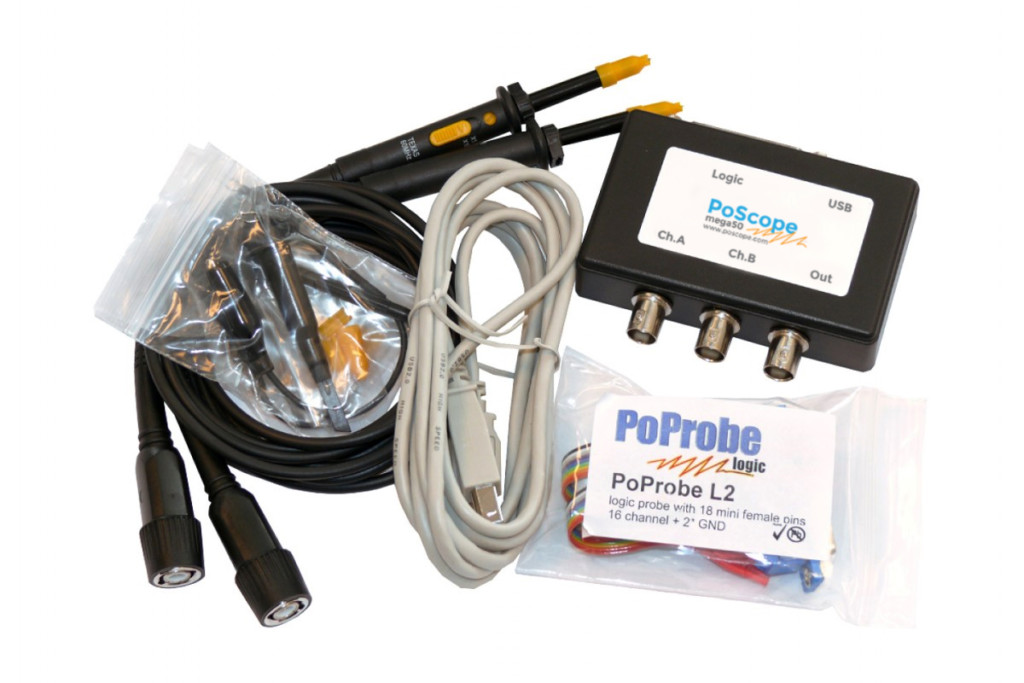
While oscilloscopes are crucial tools in the world of electronic measurement, it is important to note that they are not the only instruments in use. For example, voltmeters and ammeters are fundamental tools for measuring voltage and current, respectively. These instruments can provide a quick and reliable measurement of static electrical parameters but are limited in their ability to analyze complex, time-varying signals. Similarly, spectrum analyzers, function generators, and logic analyzers are additional measurement instruments that serve specialized roles in testing and diagnostics.
In the context of modern electronics, measurement instruments have become more integrated with digital technology, allowing for greater accuracy and versatility. Digital multimeters, for instance, offer additional features like data logging and remote control via USB connections. The integration of measurement instruments with computer systems has further expanded their capabilities, enabling engineers to collect and analyze data more efficiently.
Despite the evolution of measurement instruments, oscilloscopes remain central to the testing and analysis of electrical signals. The growing demand for compact, portable testing solutions has led to the development of advanced tools such as USB oscilloscopes, which combine the functionality of traditional oscilloscopes with the convenience of digital technology. These portable oscilloscopes offer engineers the flexibility to perform tests and measurements in various environments, from labs to fieldwork. However, to ensure that the readings provided by any oscilloscope are accurate, proper calibration and probe compensation are critical. Without this attention to detail, measurement results could be skewed, leading to incorrect diagnoses and conclusions.
In the following chapters, we will delve deeper into specific types of oscilloscopes, such as the isolated USB oscilloscope, and explore the essential process of oscilloscope probe compensation. Understanding these advanced features will provide you with a complete picture of how modern measurement instruments operate and how they contribute to the precise measurement and analysis of electrical systems.
Isolated USB Oscilloscope – A Game-Changer in Portable Testing
The rapid advancement of electronics and the growing demand for portable, efficient, and precise testing solutions have led to the development of the isolated USB oscilloscope. This innovative instrument merges the traditional functionality of an oscilloscope with the flexibility and portability of a USB connection, offering engineers and technicians a convenient way to analyze signals in a variety of environments. The isolated aspect of these oscilloscopes makes them even more valuable, providing an additional layer of safety and versatility when working with electrical systems.
An isolated USB oscilloscope differs from standard oscilloscopes in its ability to measure signals without creating a direct electrical connection to the device under test (DUT). This isolation is achieved through the use of transformer-based isolation or optical isolation technology, which effectively separates the oscilloscope’s ground from the DUT’s ground. This feature is particularly important when testing circuits with different ground potentials or when dealing with high-voltage systems. Without proper isolation, the oscilloscope itself could become a potential path for unwanted current flow, potentially damaging the equipment or even posing a safety risk to the user. By providing electrical isolation, the isolated USB oscilloscope ensures safe and accurate measurements, even in hazardous conditions.
The portability of an isolated USB oscilloscope is another key advantage. Traditional oscilloscopes are often bulky and require dedicated space in a laboratory or testing environment. In contrast, USB oscilloscopes are compact and lightweight, making them ideal for fieldwork, mobile applications, and situations where space is limited. These oscilloscopes connect directly to a laptop or PC via a USB port, enabling real-time signal visualization and analysis on the computer’s screen. The combination of portability and advanced functionality allows engineers to conduct high-quality measurements without the constraints of large, cumbersome equipment.
Despite their small size, isolated USB oscilloscopes can still offer a range of features typically found in larger, more expensive oscilloscopes. For example, many isolated USB oscilloscopes provide high sampling rates, wide bandwidths, and multiple channels for analyzing complex signals. Additionally, these oscilloscopes often come with advanced triggering options, allowing users to capture specific signal events with high precision. The software that accompanies these devices typically includes tools for signal analysis, data logging, and even remote control, making it easier to interpret measurements and store data for future reference.
The isolated USB oscilloscope has found a wide range of applications, particularly in industries where portable testing and safety are paramount. For example, in automotive electronics, engineers use isolated USB oscilloscopes to diagnose electrical issues in vehicles, where high-voltage systems and complex signal patterns are common. Similarly, in industrial settings, these oscilloscopes help technicians monitor and troubleshoot the operation of machinery and control systems. Their ability to operate in harsh environments, coupled with their safety features, makes isolated USB oscilloscopes indispensable for many types of testing.
While the isolated USB oscilloscope offers numerous benefits, it is essential to understand its limitations. Due to their compact design, these oscilloscopes may have lower bandwidths and sampling rates compared to full-sized, traditional oscilloscopes. However, advancements in technology have allowed even entry-level isolated USB oscilloscopes to provide impressive performance that is suitable for most standard testing applications. For tasks requiring extremely high bandwidth or specialized capabilities, a more traditional oscilloscope may still be necessary.
In conclusion, the isolated USB oscilloscope represents a significant innovation in the field of measurement instruments. By combining the versatility of USB connectivity with the safety and flexibility of isolation technology, these oscilloscopes provide an ideal solution for portable, high-quality signal analysis. Whether used for fieldwork or in situations where safety is a top priority, the isolated USB oscilloscope is a valuable tool for modern engineers and technicians. However, it’s important to remember that, like any oscilloscope, proper calibration and probe compensation are essential to ensuring the accuracy of the measurements and the reliability of the results.
Oscilloscope Probe Compensation – Ensuring Accurate Measurements
In the world of electronic testing, achieving accurate and reliable measurements is crucial for ensuring the integrity and functionality of circuits. One of the key factors in obtaining precise oscilloscope readings is proper oscilloscope probe compensation. Oscilloscope probes are used to connect the oscilloscope to the device under test (DUT), and their quality and calibration directly impact the accuracy of the waveform displayed on the oscilloscope screen. Without proper compensation, the probe itself can introduce distortions or measurement errors, leading to incorrect analysis and potentially flawed results.
Oscilloscope probes are typically designed to have a flat frequency response across a wide range of signals, meaning they should not amplify or attenuate signals at different frequencies. However, due to inherent characteristics in the probe’s capacitance and impedance, the probe can introduce unwanted distortions that affect signal accuracy, especially at higher frequencies. These distortions often manifest as a change in the shape or amplitude of the waveform, which can make it difficult to interpret the actual behavior of the DUT.
This is where oscilloscope probe compensation comes into play. Compensation is the process of adjusting the oscilloscope probe to match the input capacitance of the oscilloscope’s input channel. By performing compensation, you ensure that the probe’s frequency response is as flat as possible, and that the waveform captured by the oscilloscope accurately reflects the signal being tested. If the probe is not properly compensated, the displayed signal could be skewed, with potential implications for diagnostics, design work, and troubleshooting.
Most modern oscilloscopes come equipped with a built-in compensation feature that allows for easy calibration of the probe. The compensation process typically involves adjusting a small trimmer capacitor on the probe itself. To perform compensation, the probe is first connected to the oscilloscope, and the oscilloscope is set to a known test signal, typically a square wave with a high-frequency component. When the probe is properly compensated, the square wave will appear sharp and well-defined on the oscilloscope screen. If the probe is not compensated, the waveform may appear rounded or distorted, indicating the need for adjustment.
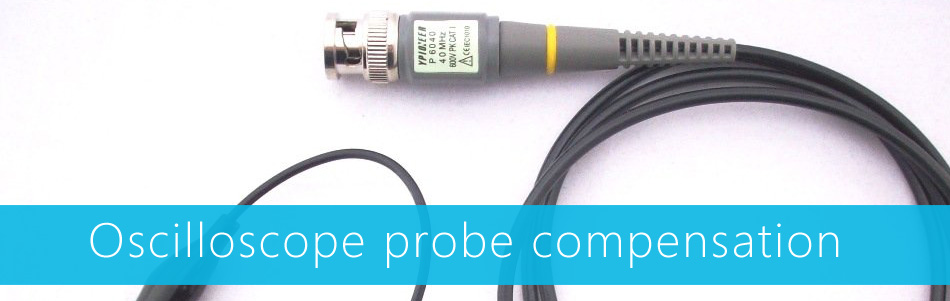
It’s important to note that oscilloscope probe compensation should be done regularly, particularly when using different probes or switching between measurement setups. Probes can degrade over time, or their characteristics may change depending on environmental factors like temperature and humidity. Ensuring that the probes are properly compensated is essential for maintaining the accuracy of measurements, especially in sensitive applications such as high-frequency circuit design or medical electronics.
There are several signs that indicate probe compensation may be needed. If you notice that the oscilloscope waveform is not clean or appears to have overshoot or ringing, this may suggest that the probe is not properly compensated. Similarly, if the signal seems distorted or the amplitude does not match expectations, compensation might be required. Regularly checking the compensation of probes will help you identify and correct any issues before they affect your analysis.
In addition to traditional analog probes, modern oscilloscopes also use digital probes, which can offer enhanced functionality and higher performance. Digital probes often include features like automatic compensation, making them easier to use and more reliable. However, even with digital probes, compensation remains essential to ensure that the oscilloscope’s readings accurately represent the signal being measured.
The importance of oscilloscope probe compensation cannot be overstated. Whether you are working with a traditional or isolated USB oscilloscope, proper probe calibration is a critical step to ensuring the accuracy and reliability of your measurements. By regularly compensating probes, you eliminate potential sources of error and enhance the quality of your work. In the next chapter, we will explore the USB oscilloscope, which offers a combination of portability and performance while still requiring careful probe compensation to deliver optimal results.
USB Oscilloscope – The Future of Compact, Versatile Testing
In recent years, USB oscilloscopes have emerged as a revolutionary tool for engineers and technicians who need a compact and portable solution for signal analysis. These oscilloscopes combine the power of traditional benchtop models with the convenience of USB connectivity, allowing users to perform high-quality measurements with the ease of plugging the oscilloscope directly into a computer’s USB port. The rise of USB oscilloscopes represents a shift in the way testing is done, offering a versatile, cost-effective alternative to bulky, expensive lab equipment.
At the heart of any USB oscilloscope is its ability to capture and display electrical signals in real-time, just like traditional oscilloscopes. The main difference lies in how the data is processed and visualized. While a conventional oscilloscope has an integrated display and processing unit, a USB oscilloscope relies on the computing power of a connected laptop or desktop to analyze and display signals. This setup makes USB oscilloscopes much smaller and more lightweight, which is ideal for fieldwork, mobile testing, or situations where workspace is limited. By utilizing the computer’s screen, USB oscilloscopes eliminate the need for a dedicated monitor, making them an efficient and cost-effective tool for both professional and educational purposes.
Despite their compact size, USB oscilloscopes are capable of providing impressive performance. Many models offer high sample rates, wide bandwidths, and multiple channels, allowing users to analyze complex signals in detail. Some USB oscilloscopes also support advanced triggering options and deep memory, enabling precise capture of high-speed events. This performance, combined with portability, makes USB oscilloscopes an excellent choice for a wide range of applications, including automotive diagnostics, communications testing, and educational projects.
One of the most significant advantages of USB oscilloscopes is their ease of use and accessibility. With many USB oscilloscopes, the associated software is user-friendly, offering intuitive interfaces and powerful features for signal analysis, measurement, and data logging. Some USB oscilloscopes come with built-in software that allows for additional functionalities such as waveform storage, remote control, and even the ability to perform automated tests. The ability to quickly analyze and store data on a computer provides valuable flexibility, especially for engineers who need to document their findings or share them with colleagues or clients.
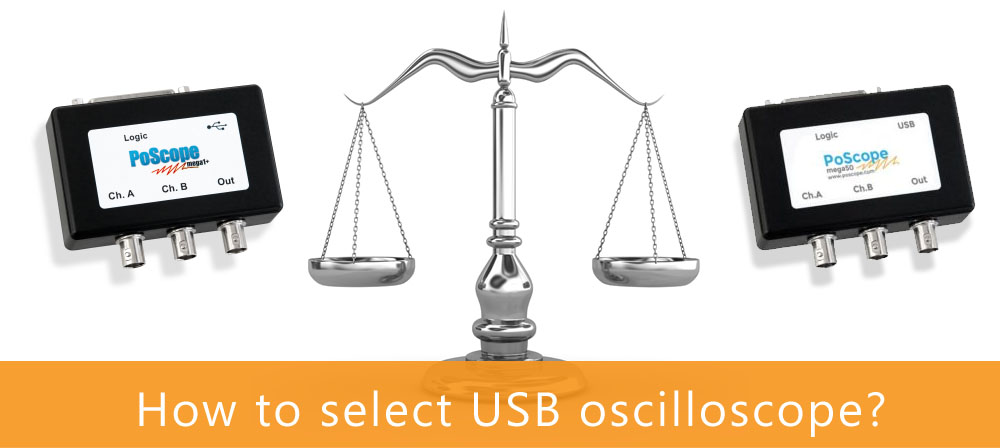
Another advantage of USB oscilloscopes is their affordability. Traditional oscilloscopes can be expensive, with high-end models often costing thousands of dollars. In contrast, USB oscilloscopes are typically much more affordable, making them a viable option for hobbyists, students, and small businesses. While they may not always offer the same level of performance or features as high-end benchtop oscilloscopes, USB oscilloscopes are more than sufficient for most everyday testing needs. For example, many USB oscilloscopes are ideal for troubleshooting low-to-medium complexity circuits, signal analysis, and general-purpose testing.
However, like any testing instrument, USB oscilloscopes have their limitations. While they are incredibly versatile and portable, their performance may not always match that of larger oscilloscopes with dedicated processing units. Some USB oscilloscopes have lower bandwidth and sample rates compared to their benchtop counterparts, which can limit their ability to capture high-frequency signals. Additionally, the reliance on a computer for display and processing means that USB oscilloscopes are not suitable for use in environments where a laptop or desktop is not available or practical.
In conclusion, the USB oscilloscope has become a game-changer in the world of electronic testing. By combining portability, performance, and affordability, USB oscilloscopes have opened up new possibilities for engineers, students, and hobbyists alike. Whether you’re testing a simple circuit, troubleshooting an automotive system, or conducting signal analysis in the field, a USB oscilloscope can provide the flexibility and functionality you need. However, as with any measurement instrument, achieving accurate results requires attention to detail, including proper probe compensation and calibration. By ensuring that your probes are correctly compensated and your equipment is well-maintained, you can maximize the potential of your USB oscilloscope and obtain reliable, precise measurements every time.
Conclusion
In the realm of modern electronics, accurate measurement and analysis are essential to ensure the reliability and performance of circuits, systems, and devices. From the most basic tools to highly specialized equipment, measurement instruments serve as the backbone of electronic testing, providing engineers and technicians with the data necessary to diagnose, design, and optimize electronic systems. Among these instruments, oscilloscopes stand out for their versatility and ability to visualize complex electrical signals in real time, making them indispensable tools in virtually every area of electronics.
Throughout this article, we have explored the critical role of measurement instruments, with a focus on oscilloscopes, and have highlighted the particular advantages of USB oscilloscopes. We began by examining how measurement instruments function and why they are essential for accurate electrical testing, laying the foundation for understanding the importance of oscilloscopes. We then delved into the innovative design of isolated USB oscilloscopes, which offer portability and safety when testing high-voltage or systems with different ground potentials. Additionally, we discussed the importance of oscilloscope probe compensation—an often-overlooked but vital process for ensuring measurement accuracy and reliable signal analysis.
The USB oscilloscope, in particular, has emerged as a game-changing tool in electronic testing, offering a blend of portability, performance, and affordability that traditional oscilloscopes often cannot match. By connecting to a laptop or computer via USB, these oscilloscopes offer the convenience of compact, mobile testing without sacrificing functionality. However, it is crucial to remember that the performance of any oscilloscope—whether traditional, isolated, or USB—depends on the integrity of the signal path, which is why probe compensation plays such an important role.
In the rapidly evolving field of electronics, the ability to perform accurate, efficient testing is more important than ever. With the advent of USB oscilloscopes and other advanced measurement instruments, engineers and technicians now have access to tools that are not only powerful but also portable, cost-effective, and easy to use. By understanding the capabilities and limitations of these tools and ensuring that the proper steps, such as probe compensation, are taken, professionals can continue to push the boundaries of innovation in electronics, confident that their measurements are as precise as possible. Ultimately, measurement instruments, particularly oscilloscopes, remain at the heart of modern electronic testing, enabling the development of safer, more reliable, and efficient technologies that power our world today and in the future.